A fire does not end when the flames are put out. For many homeowners, the real damage begins afterward. Smoke residue, soot, water from firefighting efforts, and heat damage continue to affect a property long after the fire is over. When fire damage is not properly cleaned, these issues can worsen over time and create serious long term problems.
Understanding what can happen when fire damage is left untreated or only partially cleaned helps explain why professional restoration is so important.
Fire Damage Is More Than What You Can See
One of the biggest misunderstandings about fire damage is believing that cleanup only involves removing burned items and wiping down surfaces.
Fire produces smoke, soot, and airborne particles that spread throughout a home. These particles settle into walls, ceilings, furniture, insulation, and air systems. Even rooms that were never touched by flames can be affected.
If these residues are not properly cleaned, they continue to cause damage long after the fire is out.
Smoke and Soot Continue to Damage Surfaces
Soot is not just dirt or ash. It contains acidic particles that can eat away at materials over time.
When soot is left on walls, ceilings, metal fixtures, and household surfaces, it can cause permanent staining and corrosion. Paint may discolor, metals can rust, and plastics may become brittle or warped.
The longer soot remains, the harder it becomes to remove. In some cases, surfaces that could have been cleaned early may need to be replaced later.
Lingering Smoke Odors Do Not Go Away on Their Own
Smoke odors are one of the most common complaints after a fire.
Many homeowners attempt to remove smoke smells with air fresheners, cleaning products, or ventilation. While these methods may temporarily reduce odors, they do not eliminate the source.
Smoke particles embed themselves deep inside walls, flooring, furniture, and insulation. Without proper odor removal techniques, these smells often return, especially during warm or humid conditions.
Unresolved smoke odors can make a home uncomfortable to live in and difficult to sell.
Water Damage Can Lead to Mold Growth
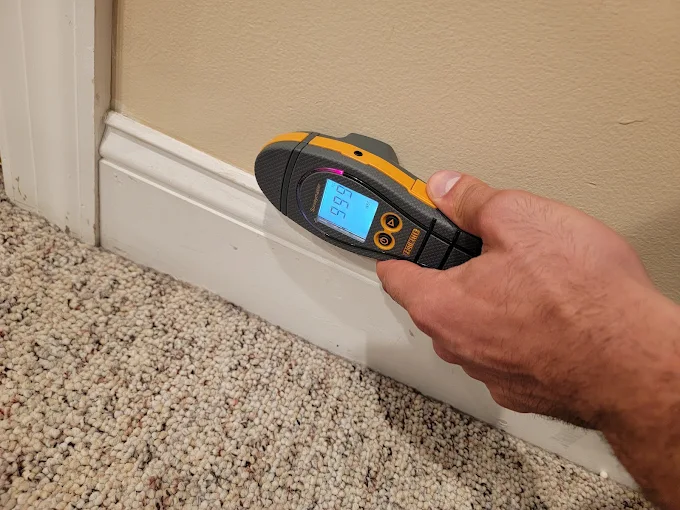
Firefighting efforts often involve large amounts of water. This water can soak into drywall, flooring, insulation, and structural materials.
If the moisture is not removed properly, it creates ideal conditions for mold growth. Mold can begin developing in hidden areas, such as behind walls or under floors, within a short period of time.
When fire damage cleanup does not include proper drying and moisture control, a fire problem can quickly turn into a mold problem.
Structural Materials Can Weaken Over Time
Heat from a fire can weaken building materials even if they appear intact.
Wood framing, drywall, and support components may lose strength after being exposed to high temperatures. If these materials are not evaluated and addressed properly, they can deteriorate further over time.
What looks stable immediately after a fire may become unsafe months later if damage is ignored.
Indoor Air Quality Can Be Affected
Smoke residue and soot particles can linger in the air long after a fire.
These particles may circulate through heating and cooling systems and continue to affect indoor air quality. Poor air quality can cause irritation, discomfort, and health concerns, especially for children, older adults, or those with respiratory sensitivities.
Proper fire damage cleanup includes addressing air quality, not just visible damage.
Electrical and Mechanical Systems May Be Compromised
Fire and smoke can affect wiring, outlets, appliances, and mechanical systems.
Soot can coat electrical components, increasing the risk of malfunction or future hazards. Water used to extinguish the fire can also damage wiring and equipment.
If these systems are not inspected and cleaned properly, they may fail unexpectedly or pose safety risks.
Personal Belongings Can Become Unsalvageable
Many items affected by fire can be cleaned and restored if handled correctly and quickly.
When cleanup is delayed or done improperly, smoke and soot can permanently damage clothing, furniture, documents, and personal items. Odors may become trapped, fabrics can discolor, and electronics may corrode.
Early and proper cleaning increases the chance of saving belongings that might otherwise be lost.
Insurance Claims Can Become More Complicated
Incomplete or improper fire damage cleanup can complicate insurance claims.
Insurance providers often expect damage to be addressed promptly to prevent further loss. If damage worsens due to delayed or improper cleanup, coverage issues may arise.
Professional fire damage restoration helps document the damage accurately and demonstrates that proper steps were taken to prevent additional problems.
The Cost of Repairs Often Increases Over Time
One of the most significant consequences of not cleaning fire damage properly is increased repair costs.
Damage that could have been cleaned and restored early may require replacement later. Mold growth, corrosion, structural weakening, and odor penetration all add to the overall cost of recovery.
Acting quickly and thoroughly often reduces total expenses and shortens the restoration timeline.
Emotional Stress Can Last Longer
Fire damage is already an emotional experience. Living in a space that smells like smoke, feels unsafe, or continues to deteriorate adds ongoing stress.
Unresolved damage can make it difficult to move forward and feel comfortable in your own home. Proper cleanup helps bring closure and allows homeowners to begin the recovery process with confidence.
Why Professional Fire Damage Cleanup Matters
Fire damage restoration requires specialized equipment, training, and experience.
Professionals understand how fire affects different materials and how to clean them safely. They use proper methods to remove soot, control odors, dry moisture, and evaluate structural concerns.
Most importantly, professional cleanup addresses both visible and hidden damage, reducing the risk of long term problems.
Conclusion
Fire damage does not simply disappear once the flames are gone. Smoke residue, soot, water damage, and heat exposure continue to affect a property if they are not properly cleaned and restored.
Ignoring or delaying fire damage cleanup can lead to worsening damage, higher costs, health concerns, and ongoing frustration. Proper restoration protects the structure, preserves belongings, and helps restore a safe and comfortable living environment.
If your home has experienced fire damage, taking the right steps early can make all the difference in the recovery process.