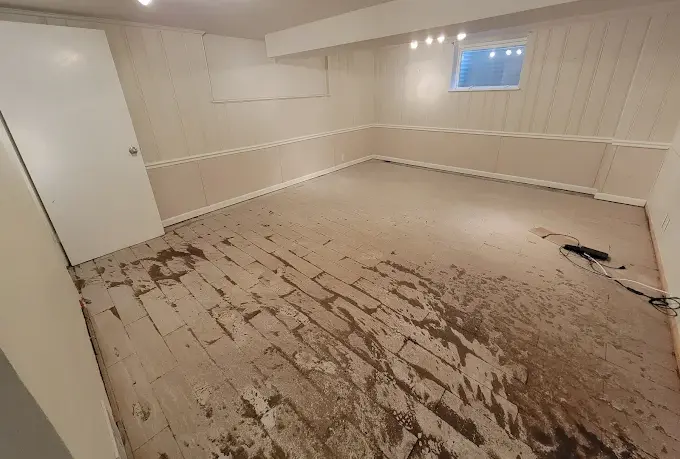
Mold does not always grow where you can see it. In many homes, the most serious mold problems are hidden behind walls, under flooring, or inside ceilings. Homeowners often do not realize there is an issue until the damage becomes noticeable or health symptoms begin to appear.
If you have ever wondered whether mold could be growing out of sight in your home, this guide will help you understand the warning signs, common causes, and when it is time to take action.
Why Hidden Mold Is More Common Than You Think
Mold needs two things to grow moisture and a surface to feed on. Many areas inside a home provide both. Drywall, wood, insulation, and subflooring are all materials that can support mold growth when exposed to moisture.
Hidden mold often develops after leaks, water damage, or long term humidity issues. Even a small plumbing leak behind a wall or a slow seep under flooring can create the perfect environment for mold to grow quietly over time.
Because it is hidden, mold can spread for weeks or months before it is discovered.
Persistent Musty or Earthy Odors
One of the most common signs of hidden mold is a musty smell that does not go away.
If you notice an earthy or damp odor that lingers even after cleaning, it may be coming from behind walls or beneath floors. These smells often become stronger in enclosed spaces such as bathrooms, basements, closets, or rooms with limited airflow.
Odors that seem to appear during humid weather or after rain are another warning sign. Mold odors tend to become more noticeable when moisture levels increase.
Discoloration or Stains on Walls and Ceilings
Visible stains can be an early indicator of hidden mold growth.
Look for yellow, brown, or dark spots on walls or ceilings. These stains may appear soft or slightly discolored and can sometimes spread slowly over time. Bubbling paint or peeling wallpaper may also point to moisture behind the surface.
Even if mold is not visible on the surface, these changes often mean water is present behind the wall, which creates conditions where mold can grow.
Warped or Soft Flooring
Mold under floors often begins with moisture trapped beneath the surface.
If flooring feels uneven, soft, or warped, it may be absorbing moisture from below. Wood floors may buckle or separate, while laminate or vinyl flooring may lift or curl at the edges.
Carpet that feels damp or develops an odor without an obvious spill is another red flag. Padding beneath carpet can stay wet for long periods, allowing mold to grow underneath.
Increased Allergy or Respiratory Symptoms Indoors
Hidden mold can affect indoor air quality even when it cannot be seen.
If you or others in the home experience symptoms that worsen indoors, mold may be contributing to the problem. Common symptoms include congestion, coughing, sneezing, headaches, throat irritation, or itchy eyes.
Pay attention to whether symptoms improve when you leave the house and return when you come back. This pattern often suggests an indoor environmental issue such as hidden mold.
History of Water Damage or Leaks
Past water problems increase the likelihood of hidden mold.
Leaks from plumbing, appliances, roofs, or windows that were not properly dried can leave moisture trapped behind walls or under floors. Flooding or water intrusion during storms is another common cause.
Even if the visible damage was repaired, mold can still develop in areas that did not dry completely. Homes with repeated moisture issues are especially at risk.
Condensation and High Humidity
Homes with high humidity levels are more likely to develop mold in hidden spaces.
Bathrooms, laundry rooms, kitchens, and basements often experience higher moisture levels. Without proper ventilation, moisture can collect inside walls and beneath flooring.
Condensation on windows, pipes, or walls is a sign that moisture is present in the air. Over time, this moisture can seep into building materials and lead to mold growth.
Cracks or Gaps in Walls and Flooring
Small openings can allow moisture to enter areas you cannot see.
Cracks in walls, gaps around baseboards, or spaces between flooring materials may allow water or humid air to reach hidden surfaces. Once moisture enters these areas, mold can begin growing without obvious signs.
These openings often appear near bathrooms, kitchens, exterior walls, or areas with plumbing.
Why Hidden Mold Should Not Be Ignored
Hidden mold can cause more damage than surface mold because it often spreads unnoticed.
Over time, mold can weaken drywall, wood framing, and subflooring. This can lead to costly repairs if the problem is not addressed early. Mold can also affect indoor air quality, making the home uncomfortable or unhealthy to live in.
Ignoring hidden mold does not make it go away. It usually continues to grow as long as moisture is present.
Why DIY Detection Is Often Not Enough
Many homeowners try to locate mold themselves, but hidden mold is difficult to identify without proper tools.
Surface cleaning does not address mold growing behind walls or under floors. Removing sections of drywall or flooring without proper containment can actually spread mold spores throughout the home.
Professional mold inspections use moisture detection tools and trained assessment methods to identify hidden problems safely and accurately.
When to Call a Mold Removal and Remediation Professional
You should consider professional help if you notice ongoing odors, visible moisture damage, health symptoms, or have a history of water issues in the home.
Professionals can locate hidden mold, identify the source of moisture, and remove contamination safely. They also take steps to prevent mold from returning by addressing the conditions that allowed it to grow.
Calling a professional early often limits damage and reduces overall repair costs.
Conclusion
Hidden mold behind walls or under floors is more common than many homeowners realize. Because it grows quietly, it often causes damage before it is discovered.
Paying attention to odors, changes in surfaces, moisture issues, and indoor air quality can help you catch problems early. If something feels off in your home, trust your instincts and investigate further.
Addressing hidden mold early protects your home, your health, and your peace of mind.